Greenbox is designated in the context of cities that have suffered from air pollution and other problems brought by population growth. It can be widely adapted to dense and elevated conditions.
Greenbox has a great potential for positive environmental change in dense urban areas; improved interior air quality and humidity; reduce energy cost; Noise reduction; Building structure protection; aesthetic improvement; increased property value, etc.
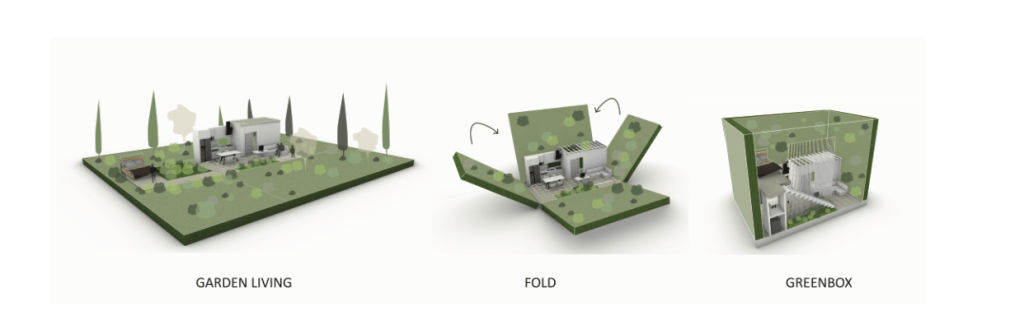
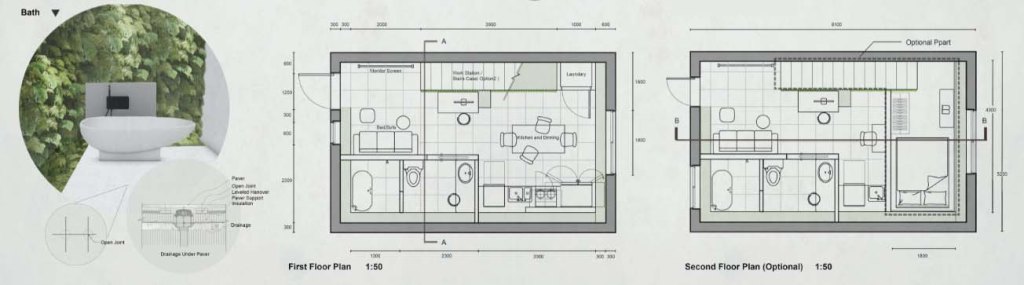
Concept: Insert a living garden into a box of 50 m2 area.
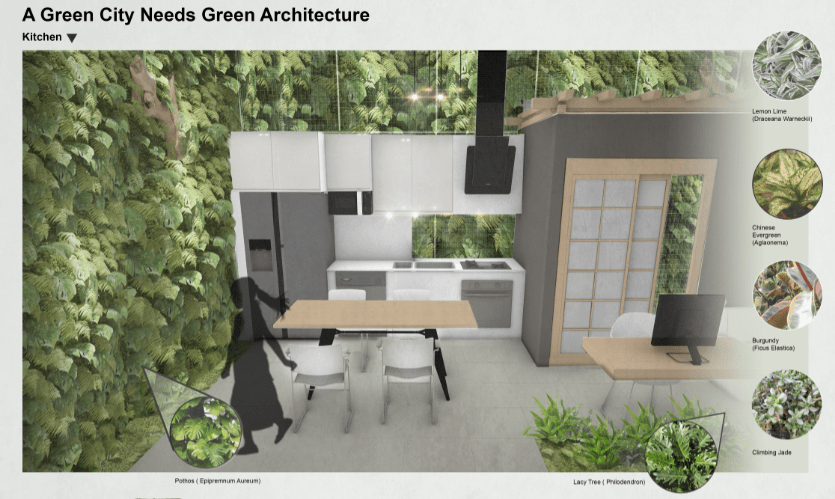
The elevated plants can help to capture airborne pollutants and atmospheric deposition on leaf surfaces and filter noxious gases and particulate matter.
The roof is the connection between the building and the sky.
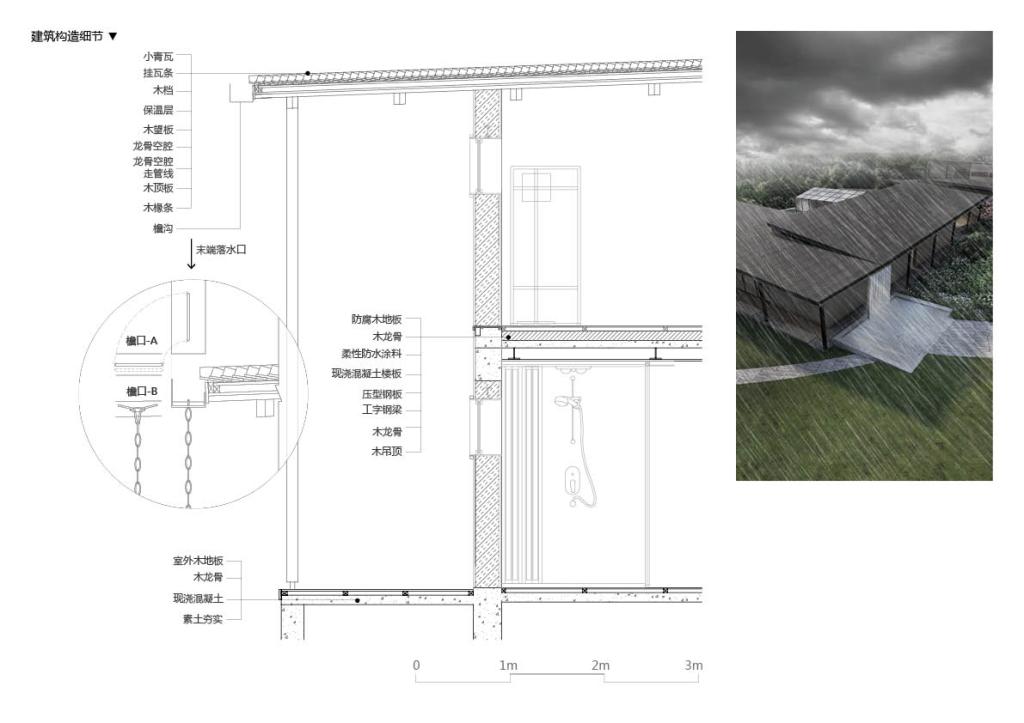
The roof is the connection between the building and the sky, The roof is an important shelter for the space, and a central element of the building. It is shaped by two natural elements: gravity and rain. Gravity is a constant law of everything, and rain is a natural thing that changes from moment to moment. The resistance with gravity and the detachment with rainwater determine the formal evolution of the roof.
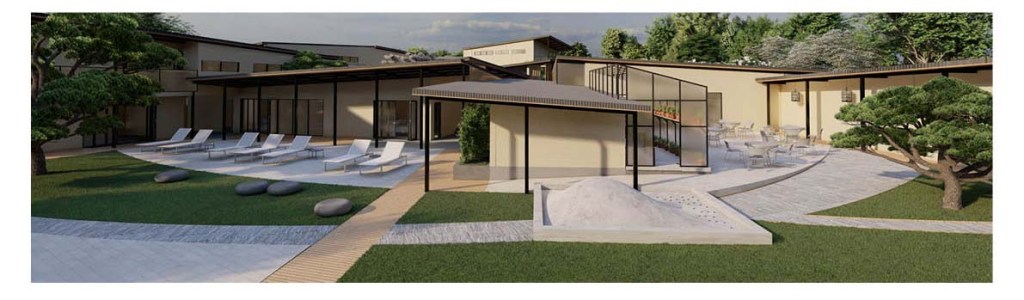
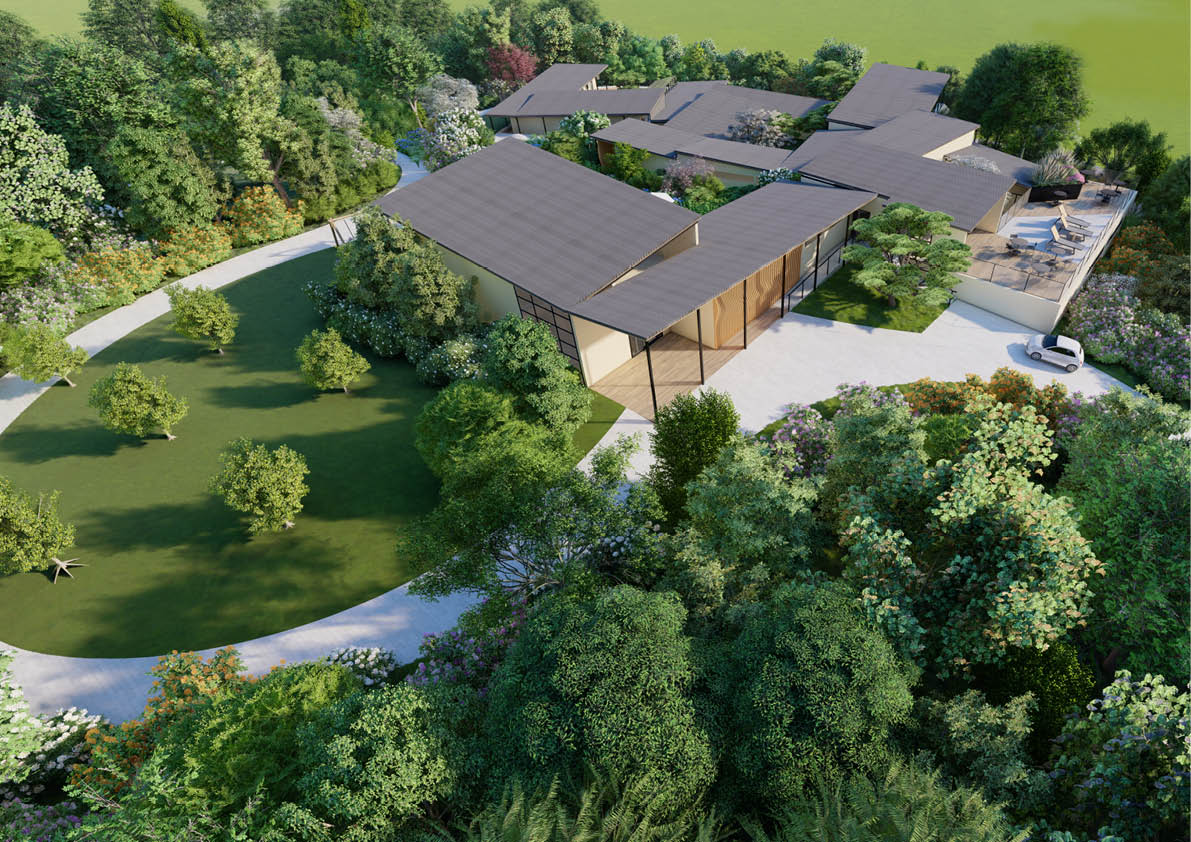
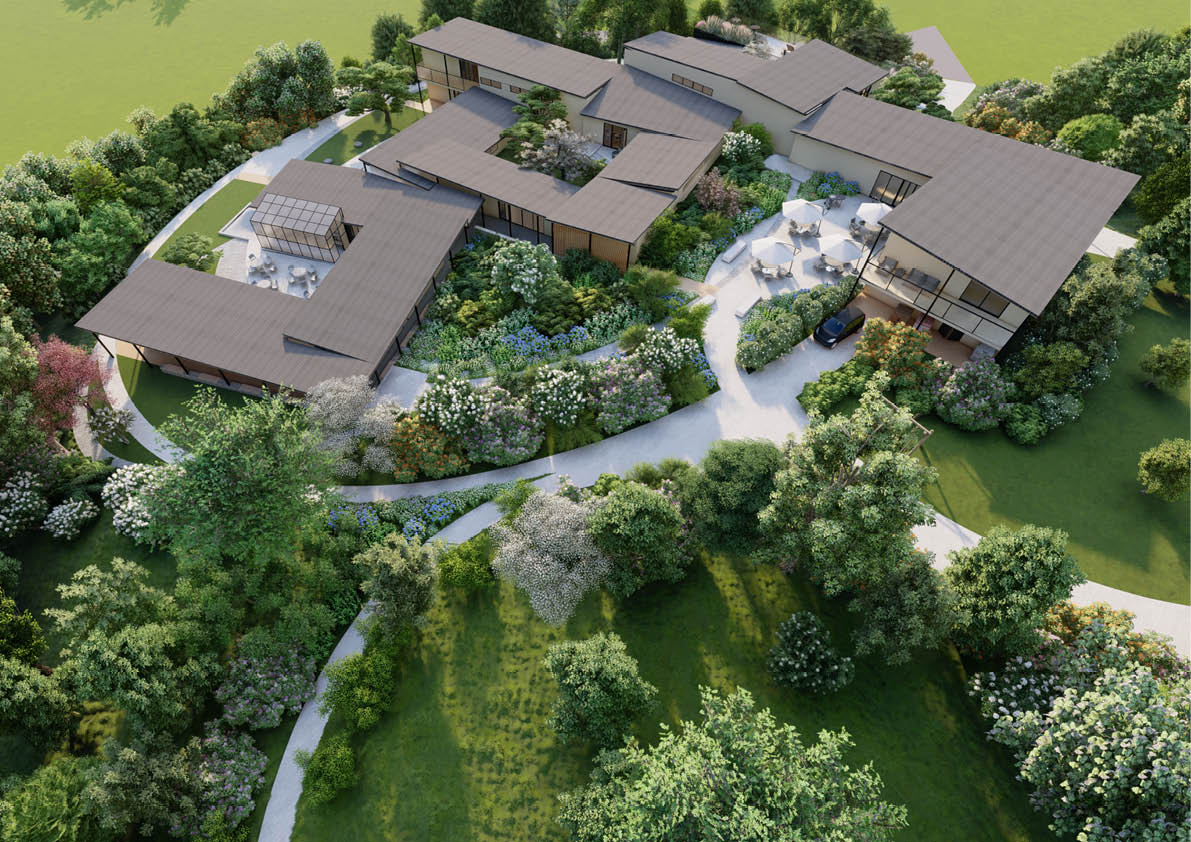
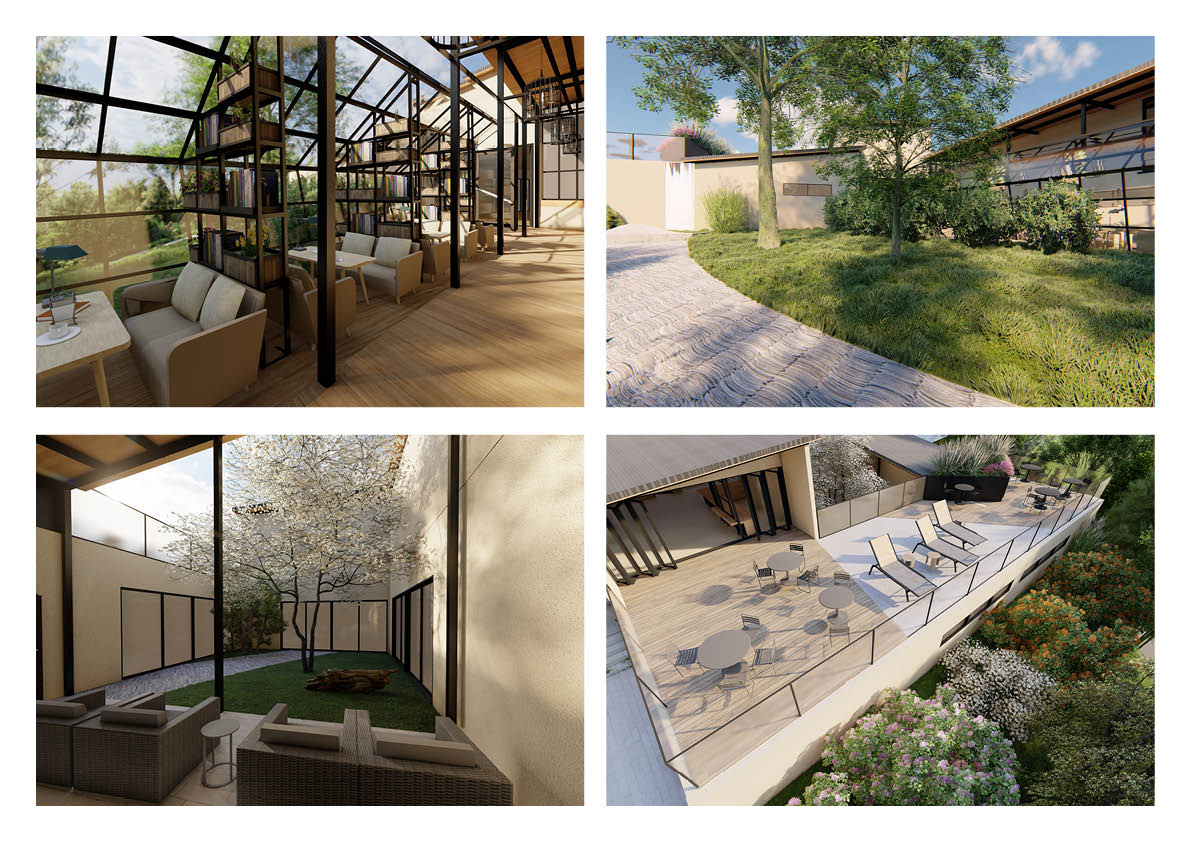
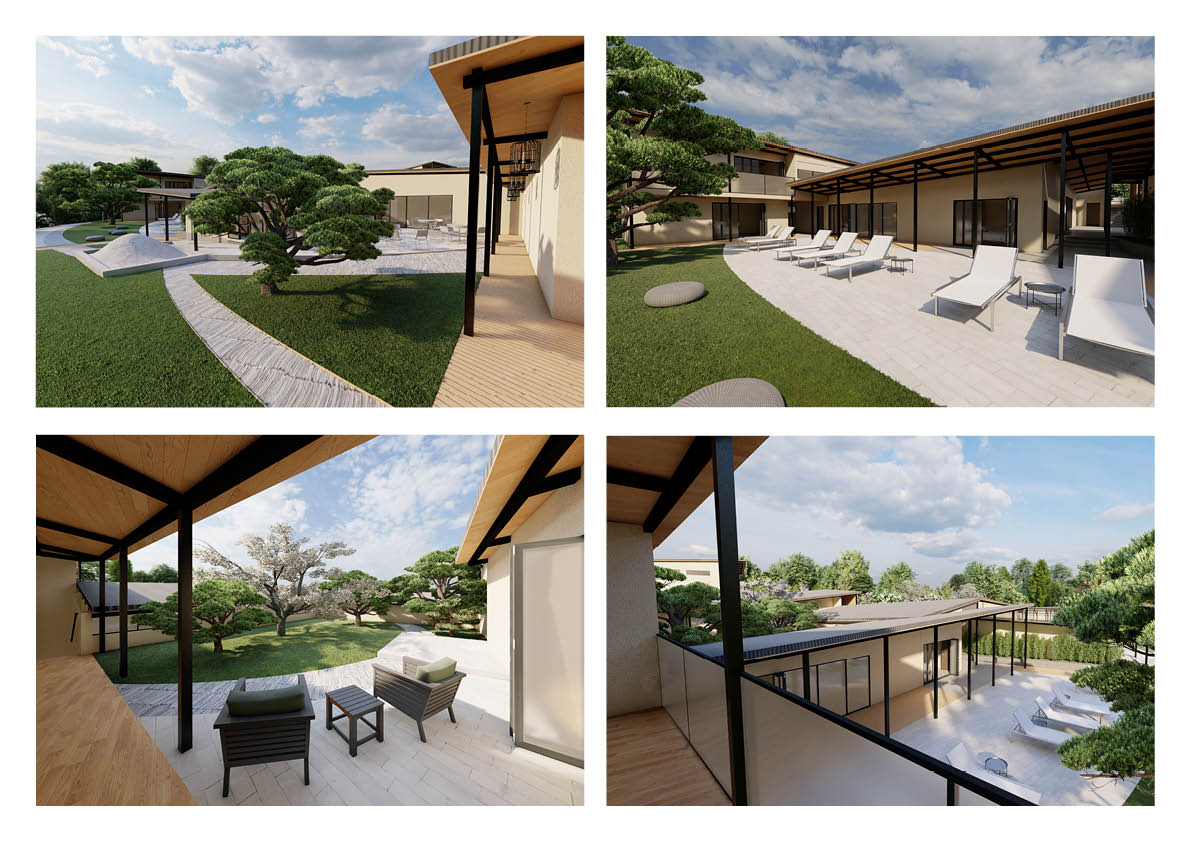
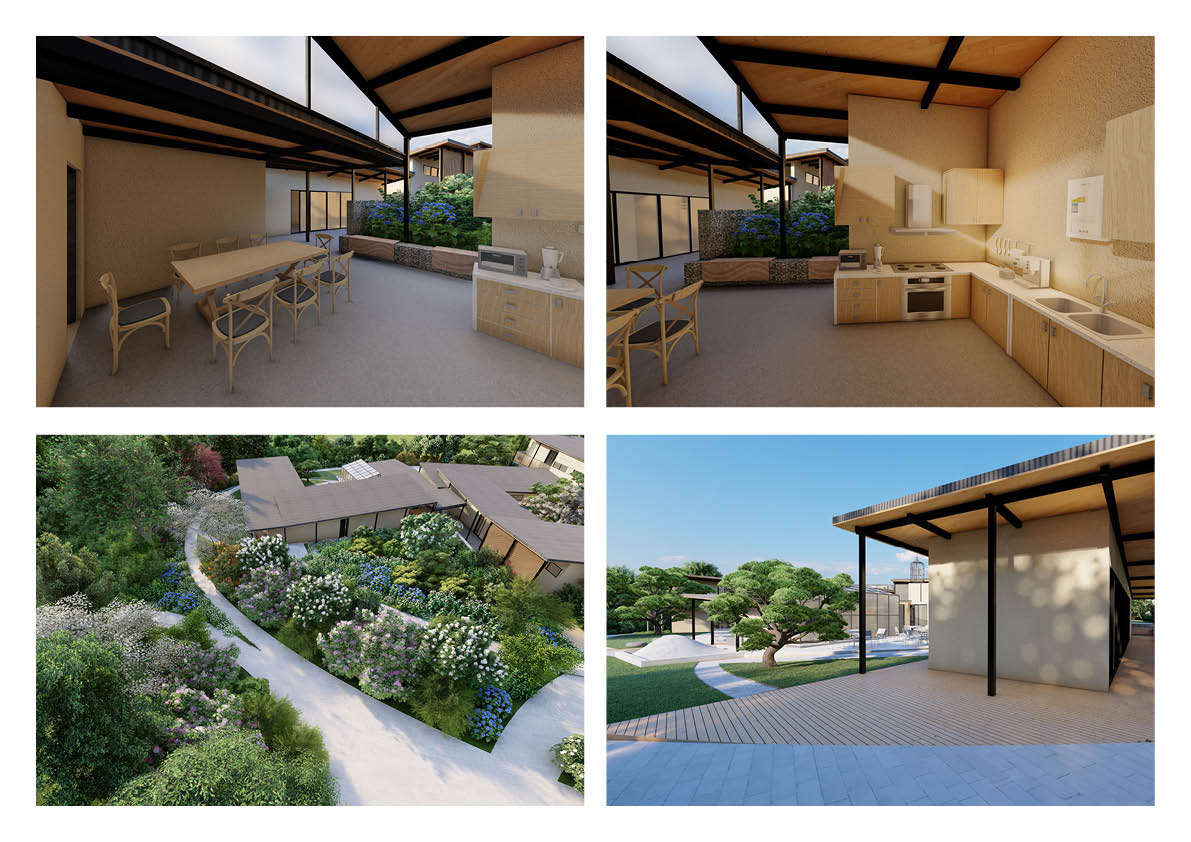
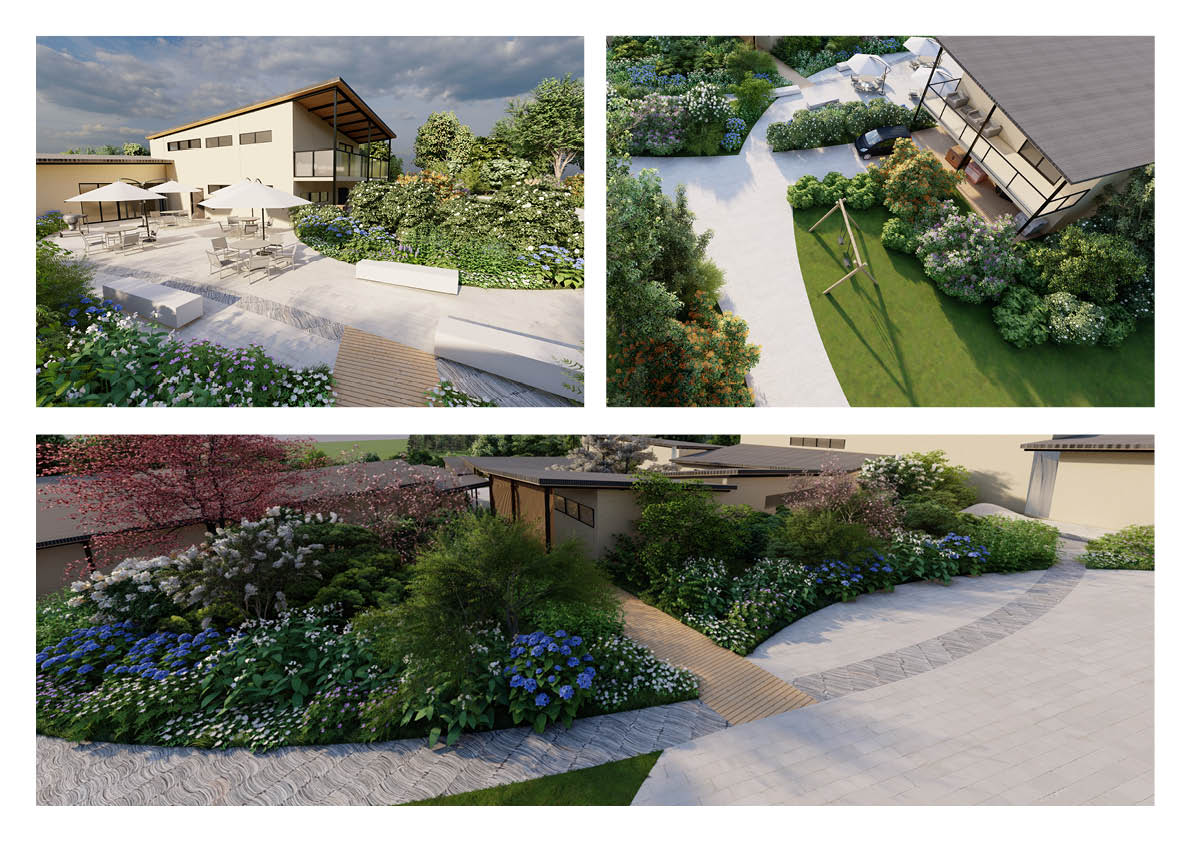
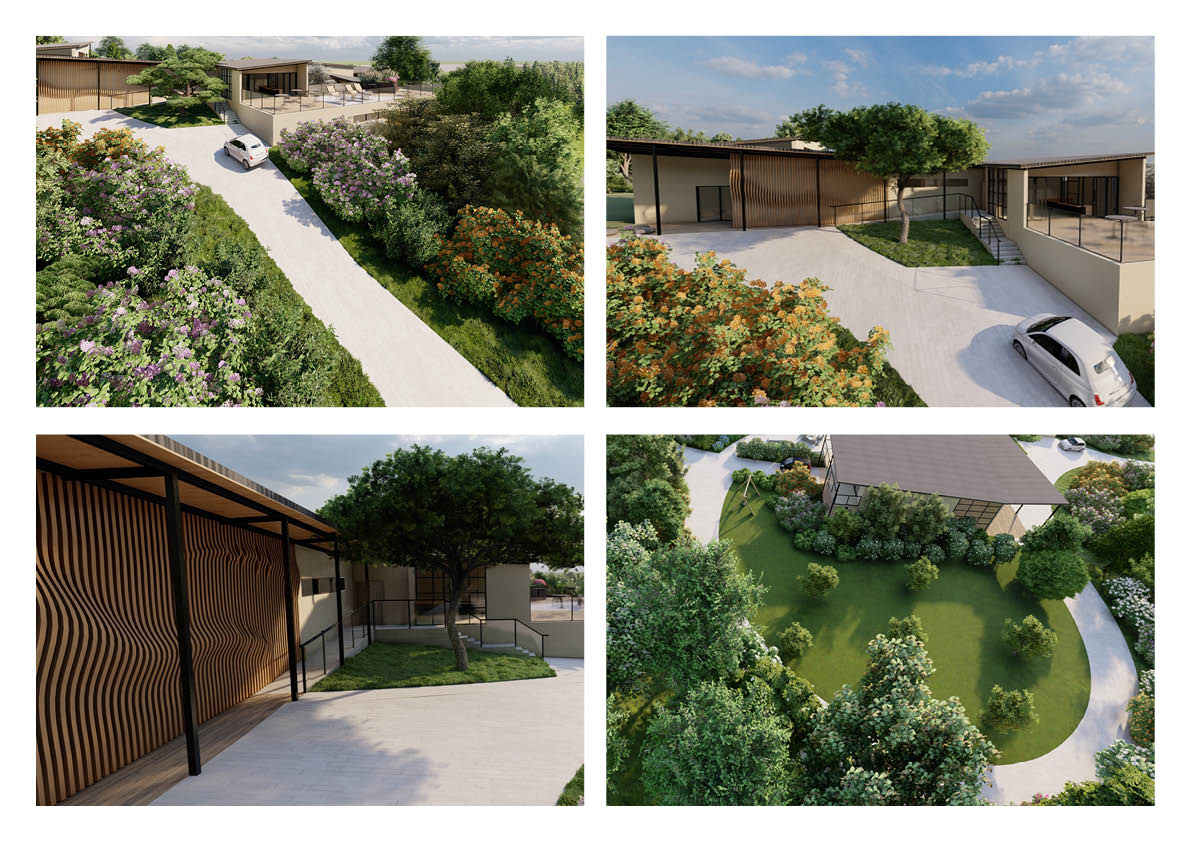
Ashuda Guest House is located in the middle of a hill away from the city, surrounded by bamboo forests and farmland. Several separated village houses are covered by a large roof. The roofs are held up by columns, allowing rainwater to be directed to the ground in a variety of ways and paths, creating a kind of counterpoint between the invisible and the tangible.
The sloping roof will channel the rainwater into the gutters, and the gutters in multiple directions will then channel the rainwater into different openings so that the rainwater falls into the collectors on the ground. Or, stainless-steel chains that hung at the gutters can channel rainwater into the rain garden. In through the rainwater deposition belt quickly into the ground, not causing waterlogging.
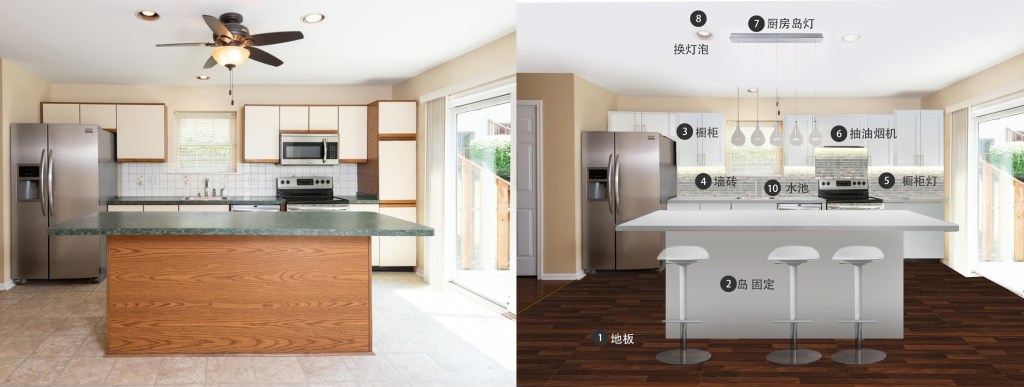
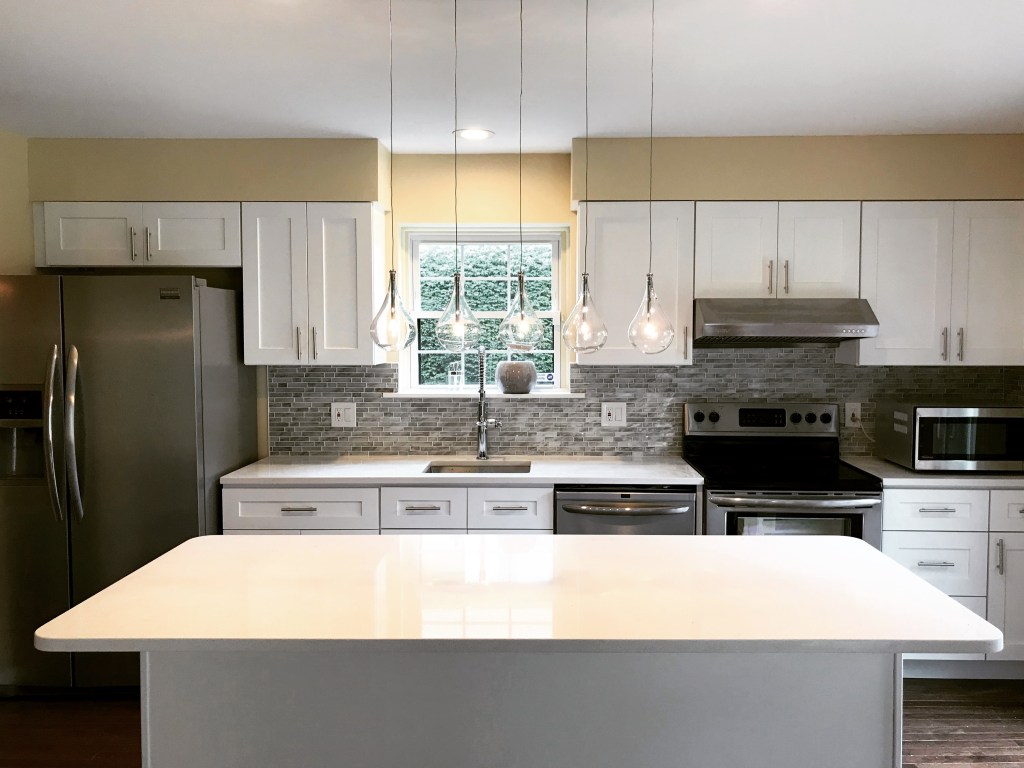
This is a design sprint with a very limited budget. We remodeled a kitchen for our client within 2 weeks. During the process, we select the right products, including countertop, cabinets, lights, etc., and work with contractors together through design to build.
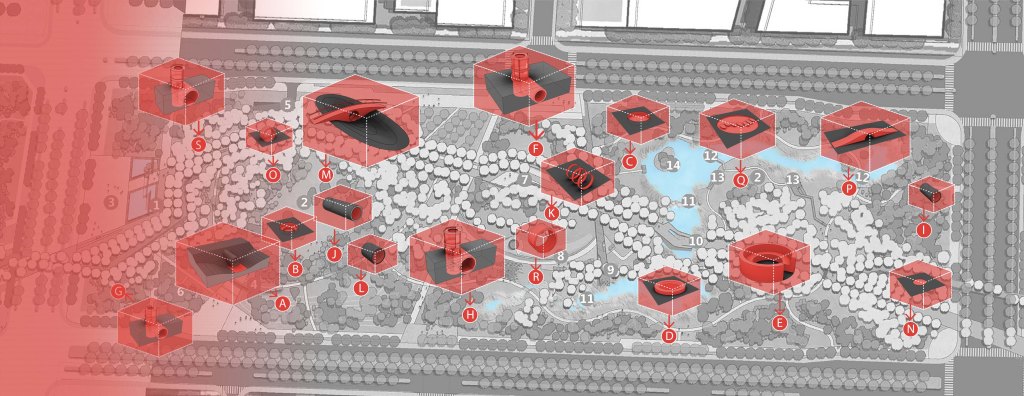
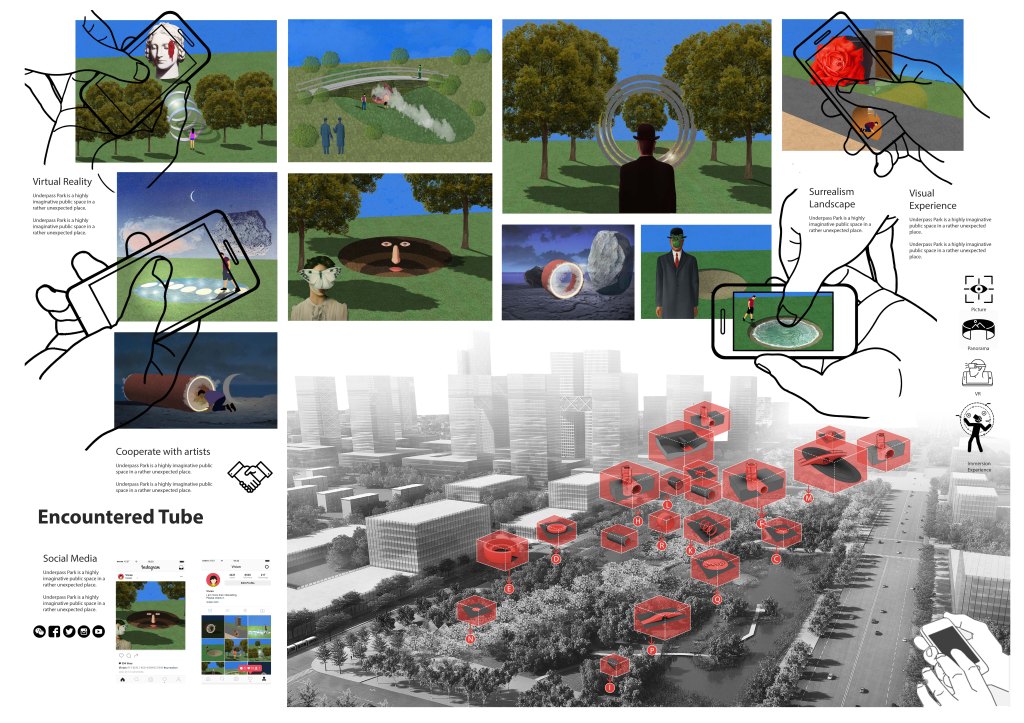
Scenic Orifice, a series of landscape structures that possess the Chinese culture and history of Suqian will mark the heart of the Shanshui Green Corridor, create playful and sustainable spaces that present new forms of the urban landscape in the digital age. Using the tubes as prototypes, the structures are designed with the theme of human evolving history (sit, crawl, stand, and walk) and the five phases of Chinese philosophy (metal, wood, water, fire, earth). Together, they create twenty structures, each provides a different experience for the visitors. These structures will serve as delicate and playful exhibition places that invite artists to design site-specific projects. By incorporating the technique of augmented reality and virtual reality, the structures will become platforms that connect historic and cultural contexts and define the park as a new urban icon.
The project is designed with sustainable material of geotex concrete which uses recycled fabric and sands from Luoma River. According to the report from Suqian government, there are about 1000 recycle bins for clothing in Suqian and they collected 200 tons of clothes by the end of 2015. Many organizations are now researching the usage of recycled fabric in concrete and it will become feasible within one year. By using sustainable local material, Scenic Orifice is a project that responds to the local government’s goal of developing an eco-city.
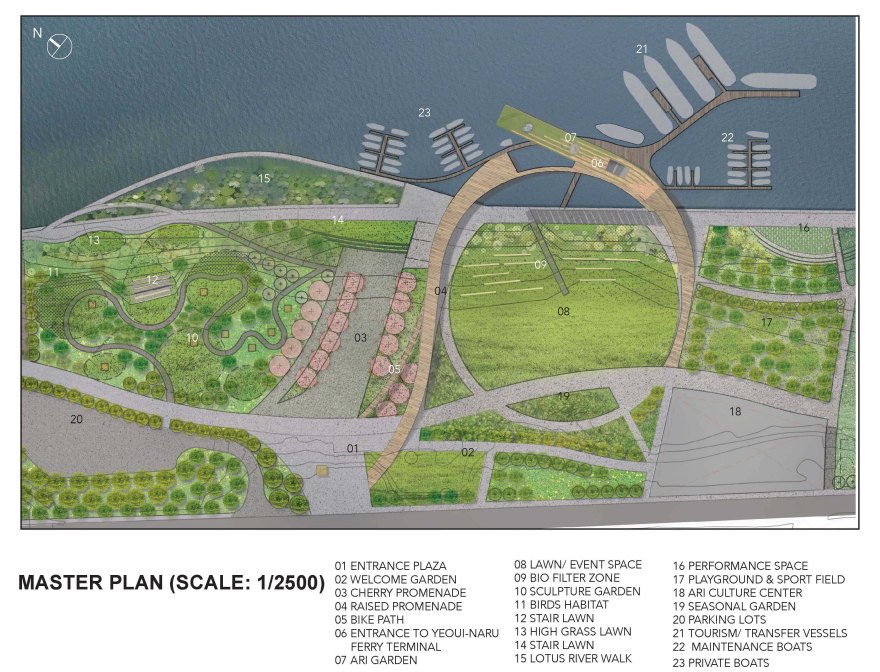
Fluid Seoul, an environmentally friendly park that displays the natural and urban scenery of Seoul will mark the heart of the Han River, create extraordinary, sheltered, and vegetated spaces that one discovers through various heights and entries. It is designed with the theme of “cycle of the Han River”, which integrates the view, water, and the earth, as well as plants in various stages of “life”.
The identity of Fluid Seoul and the identity of this city is the ever-changing vitality and the harmony with the environment. With strong connections between surroundings and neighborhoods, Fluid Seoul possesses the value of culture while fulfills the requirements of survival and function by integrating a sustainable system in the overall site plan, which includes habitat for birds, bio-filtration zones for stormwater, and energy-saving plans for the building.
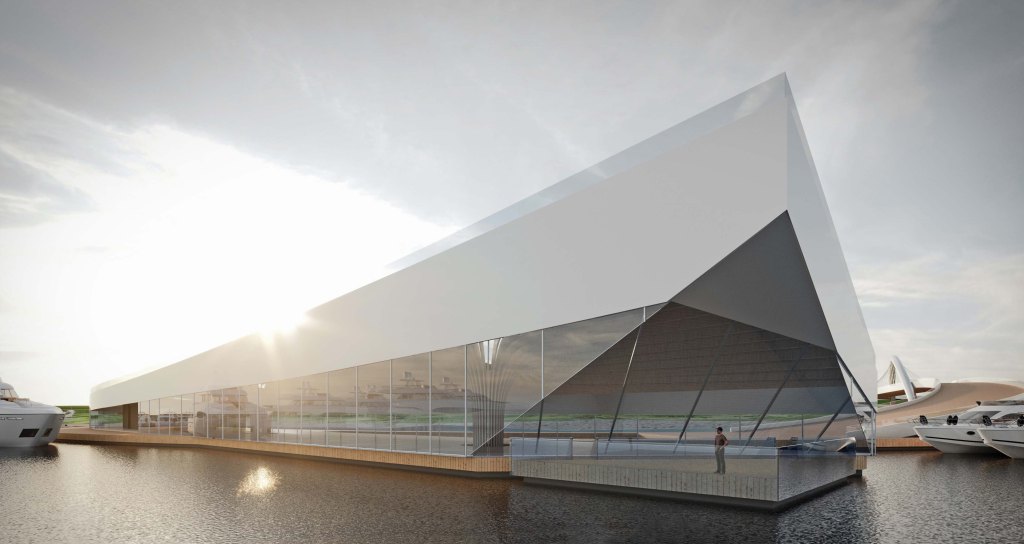
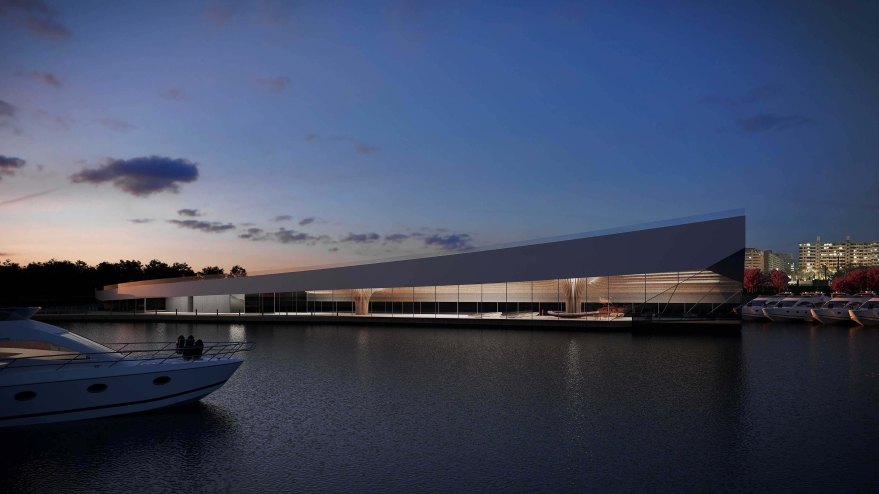
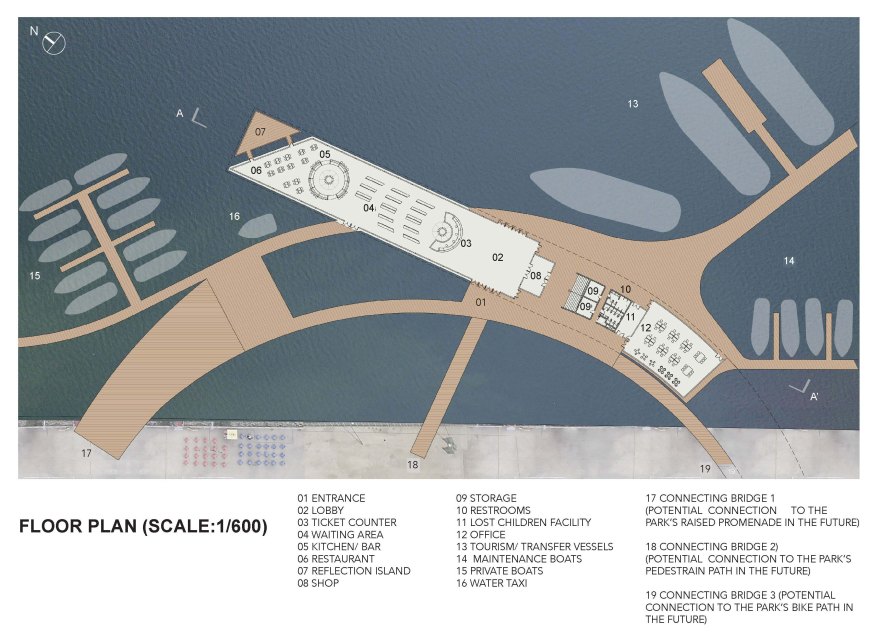
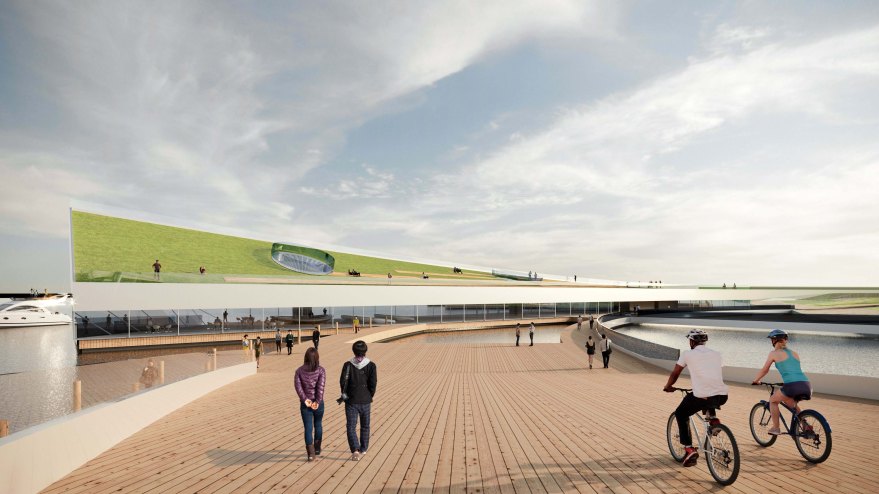
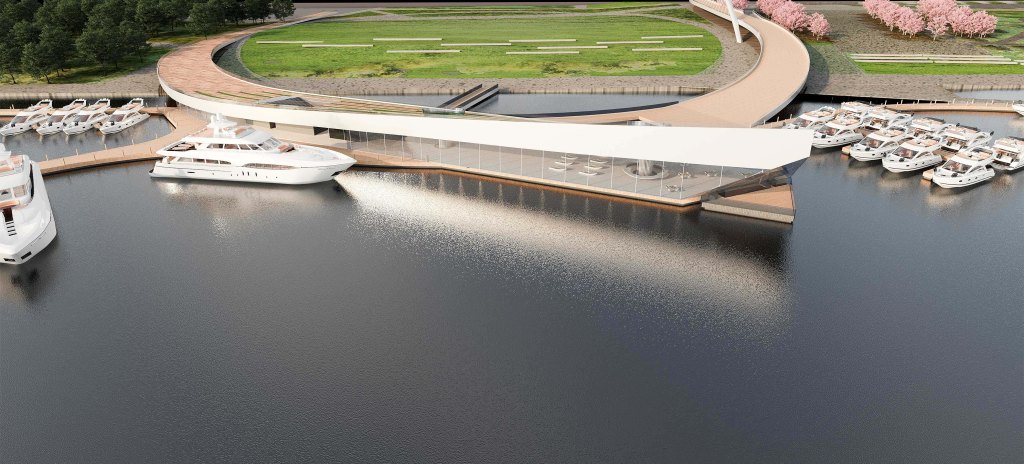
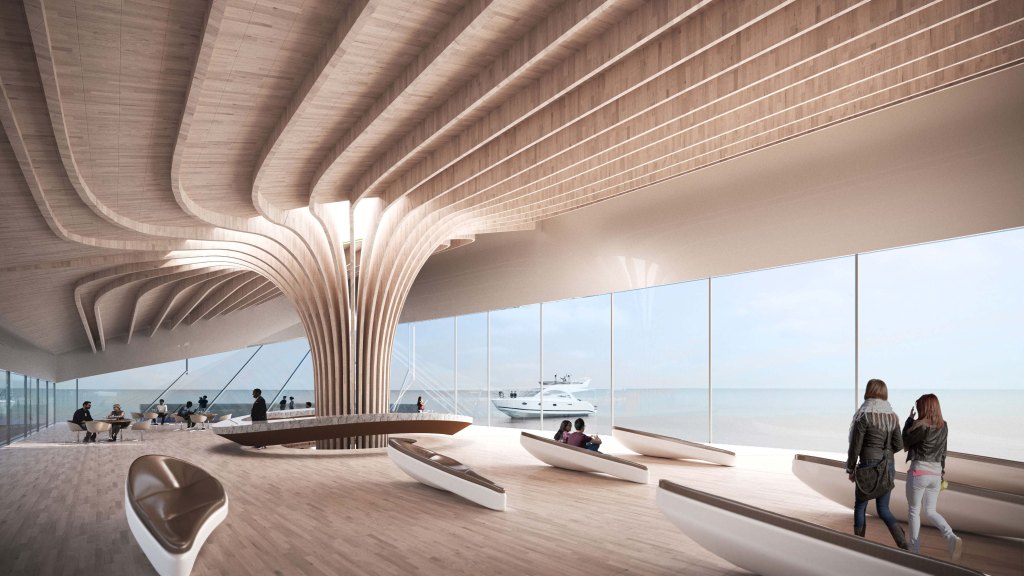
Yeoui-Naru (ferry terminal), a gentle building, which minimizes environmental effects, integrates architectural design and structural performance by using branching structure. This linear building maximizes the scenery of the Han River by replacing the columns with two structural cores, which provide structural support and architectural aesthetics. The glass ceiling of the cores offers diffused sunlight which naturally brightens the interior spaces, thus reducing the cost of electric lighting. While at night, artificial lighting creates an ambient exterior luminescence, resulting in an iconic and unique landmark.
The future of the Han River is the greater harmonization between nature and humans. Fluid Seoul is where water, earth, and human activities intertwine. Visitors immerse in the park, where layers of plantings create an intimate setting. Both hardscape and softscape are designed with graceful fluidity, which provides flexibility and responsiveness to changing needs. Fluid Seoul, a balance between the soft and rigidity, vitality and calmness, earth and human, is ready for the city to embark on its future journey.
We worked with the curator team through the exhibition in 2016 to discuss the changing roles of artists in two world-famous metropolitan- Beijing and New York. Artists will be selected based on their interest in engaging with specific urban contexts. They are either with architectural learning background or have a persistent interest in site-specific work. Many of the resulting works will be created in collaboration with urban planners and residents. The public will be engaged in cultural programs through the assembly of artistic activities, discussions, and workshops.
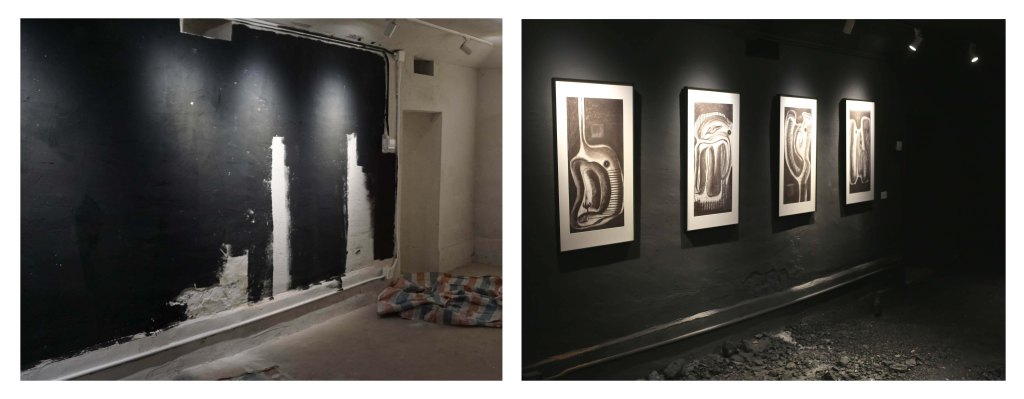
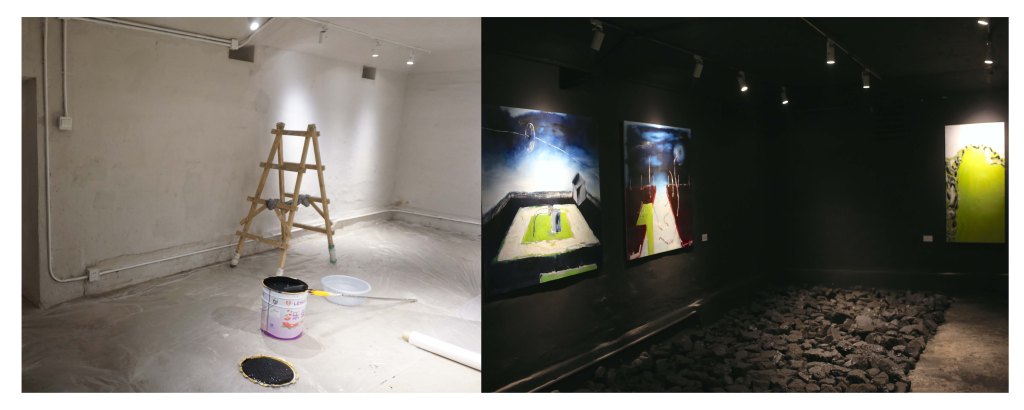
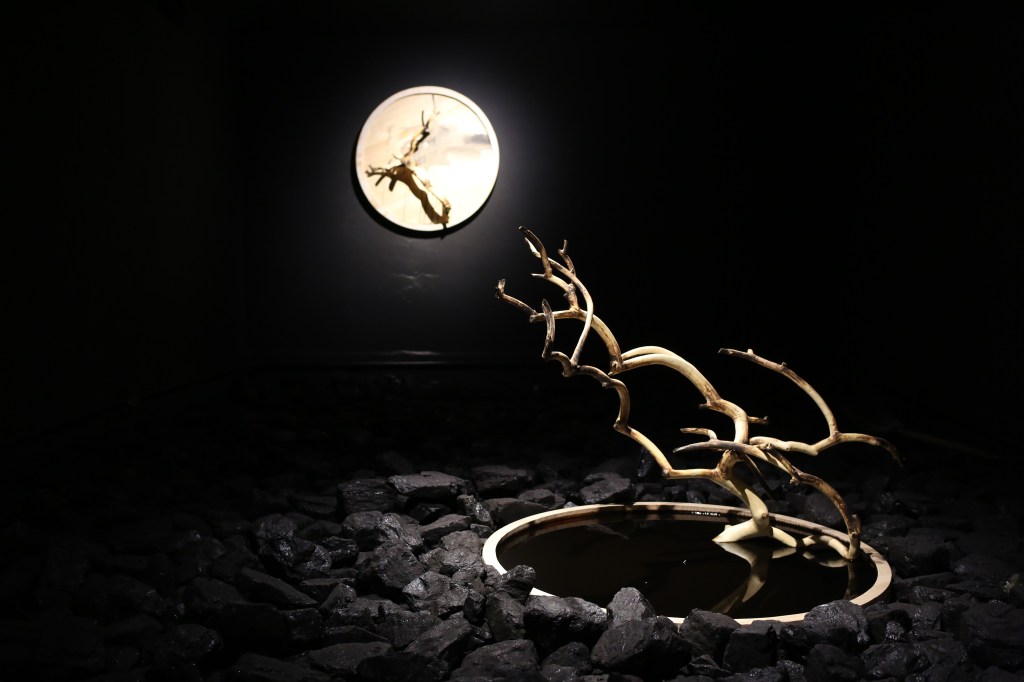
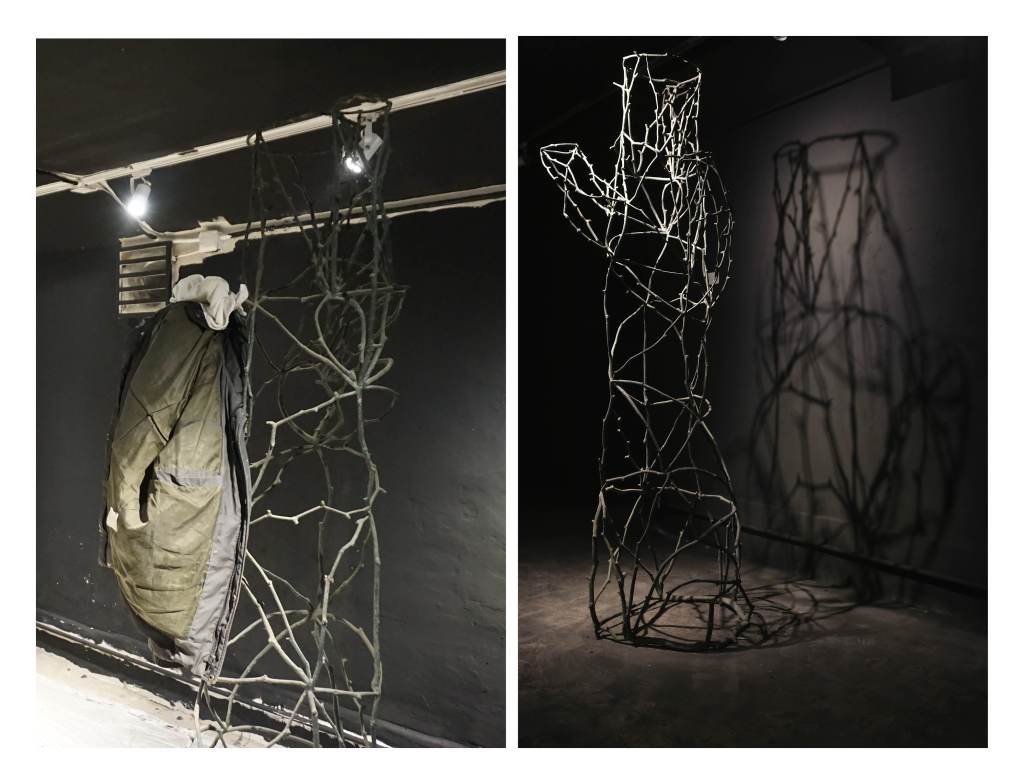
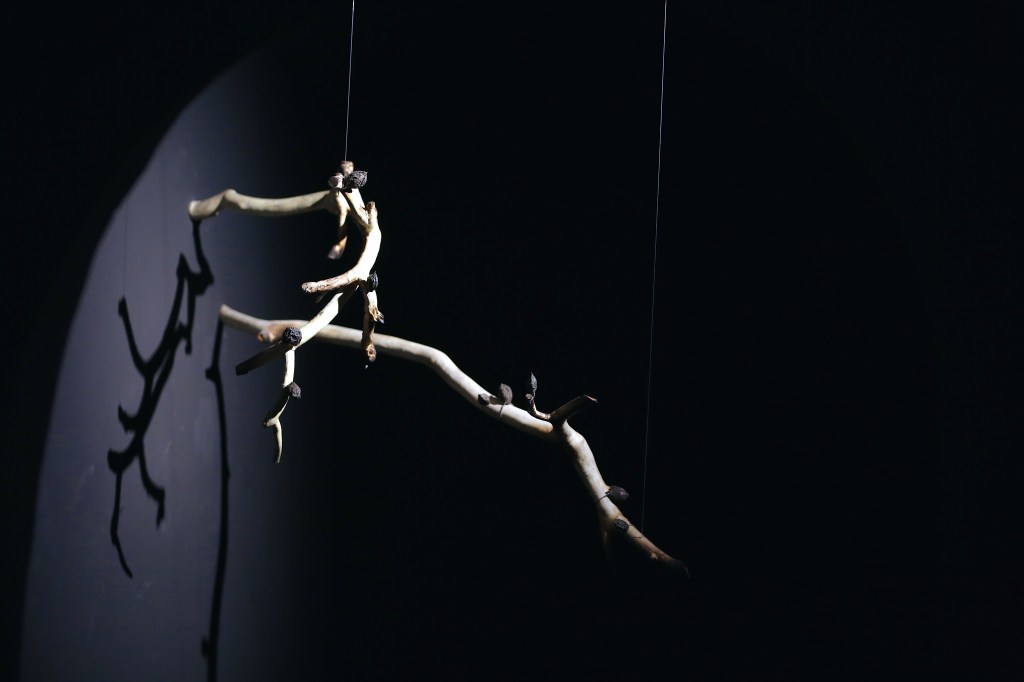
The original room has been painted in black, so does the ground. Charcoal was laid down in necessary places to make a connection between the work and the site, while preventing visitors from getting too close to the paintings. We worked with the artist on almost every piece, from the background to the lighting, so that it was presented perfectly.



 tendesignworks.com